
Best Biostatistics colleges in the U.S. 2026
Statistical analysis is a crucial process that is embedded in a wide variety of industries and is essential in the study of raw data. Whether you’re working in the financial sector or for a pharmaceutical company, statistics help inform the assumptions and decisions for many different professional organizations. Biostatistics was already a relevant field of study pre-pandemic and has become even more important as global health organizations work to analyze new strains of the COVID-19 illness. Professionals quantify the efficacy of vaccinations to determine immunity.
Biostatistical professionals analyze limited data sets to extract information and present the results of studies. Because data can be limited due to the number of test subjects or longevity of the study, biostatistics is an essential way to demonstrate results.
Becoming a biostatistician typically requires a four-year bachelor’s degree in a science field, a master’s and Ph.D., and relevant lab experience. Due to the hands-on nature of lab work, biostatistics degrees require in-person coursework, but some programs allow students to complete core coursework online. The Bureau of Labor Statistics projects that opportunities in this field will grow by 33 percent from 2020-2030, a much higher growth rate than other professions.
A career in biostatistics provides graduates with opportunities in the public and private sector, as well as countless jobs in higher education. It is essential to have a strong understanding of mathematics and algorithms to excel in the field, and strong writing acumen to deliver and describe the results of a study given the analyzed data set.
Click Here to See the Best Colleges in the USBest Biostatistics colleges in the U.S. for 2026
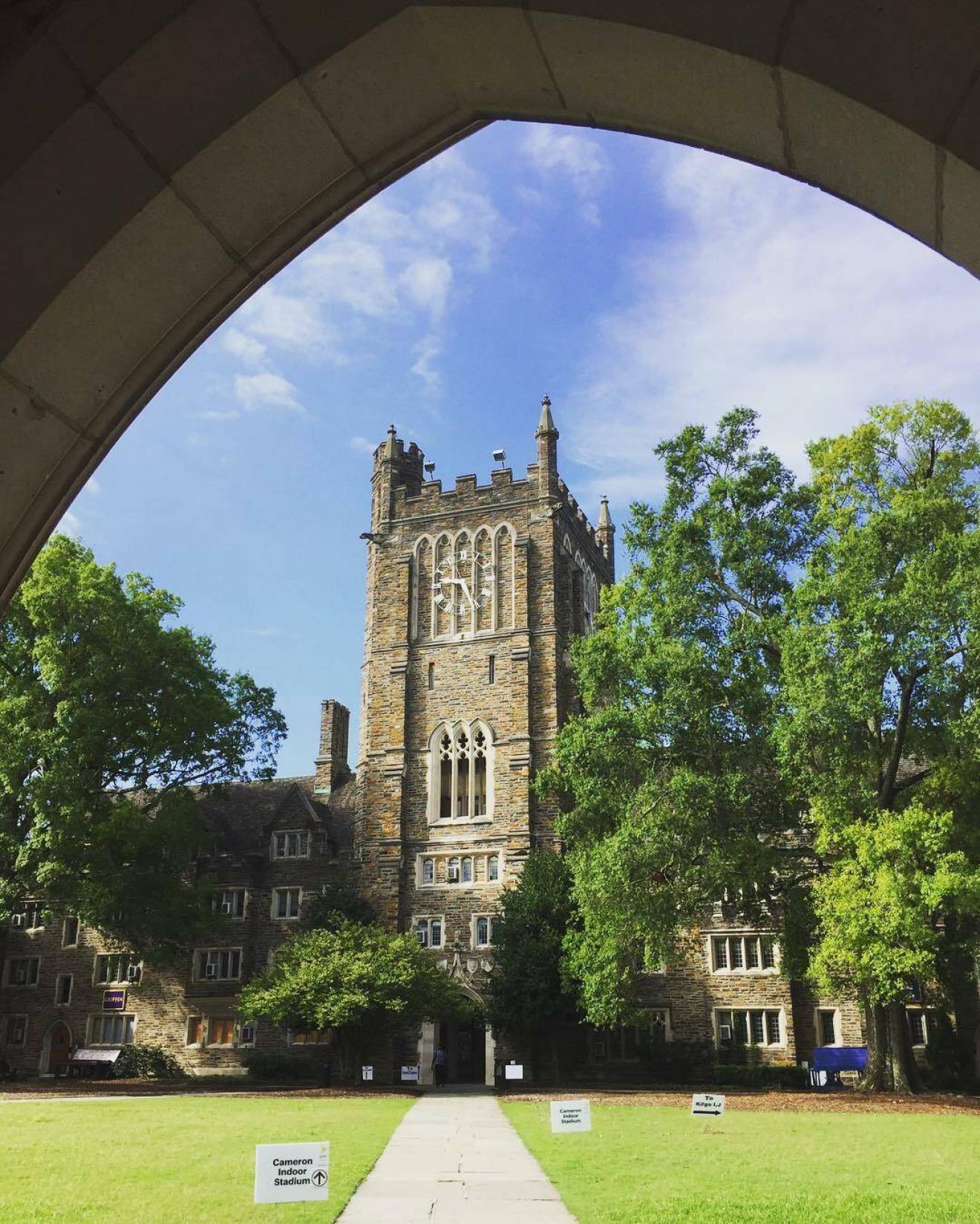

Duke University offers 3 Biostatistics degree programs. It's a large, private not-for-profit, four-year university in a large city. In 2024, 81 Biostatistics students graduated with students earning 61 Master's degrees, 16 Bachelor's degrees, and 4 Doctoral degrees.
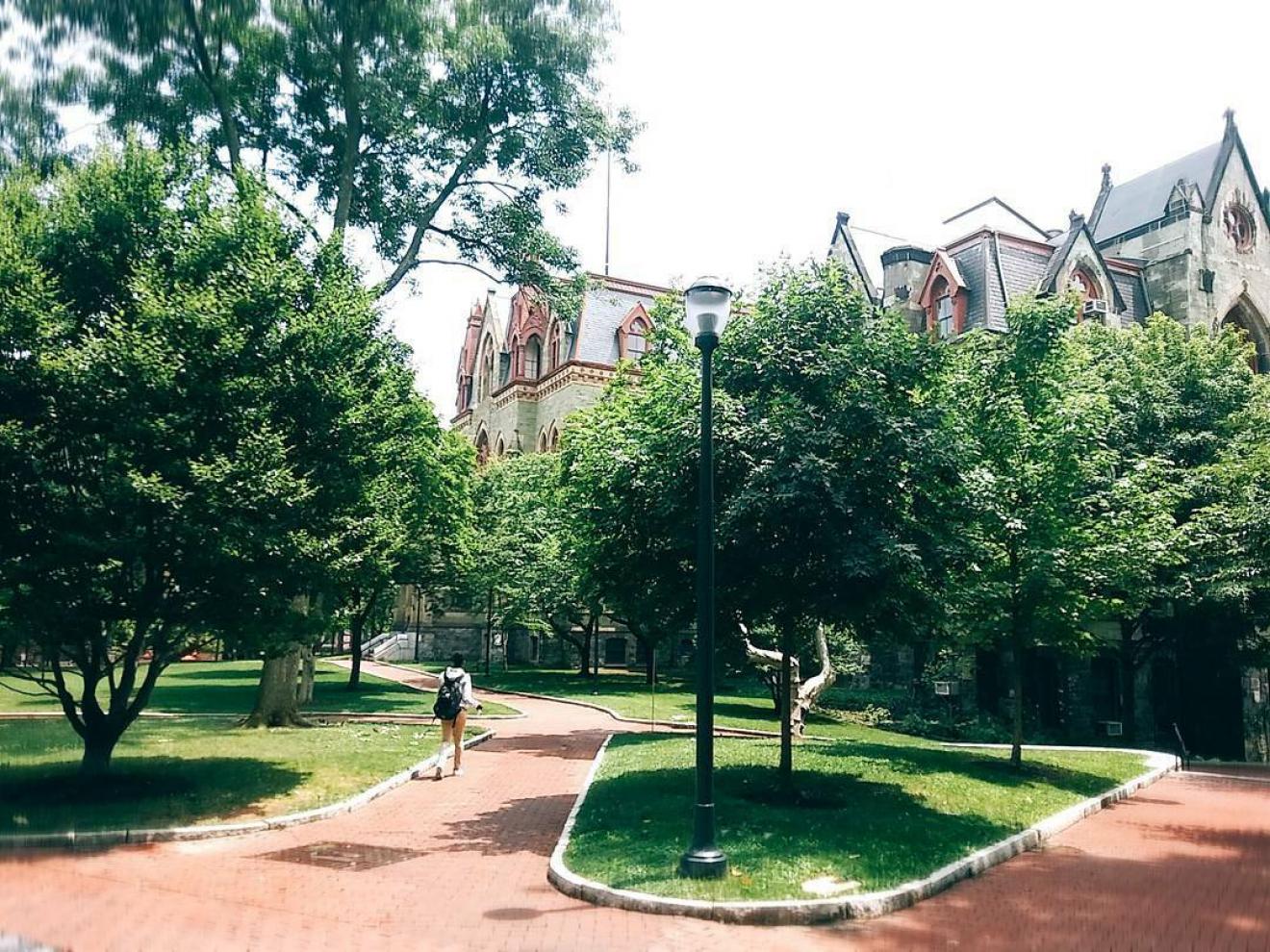

University of Pennsylvania offers 2 Biostatistics degree programs. It's a very large, private not-for-profit, four-year university in a large city. In 2024, 14 Biostatistics students graduated with students earning 11 Master's degrees, and 3 Doctoral degrees.

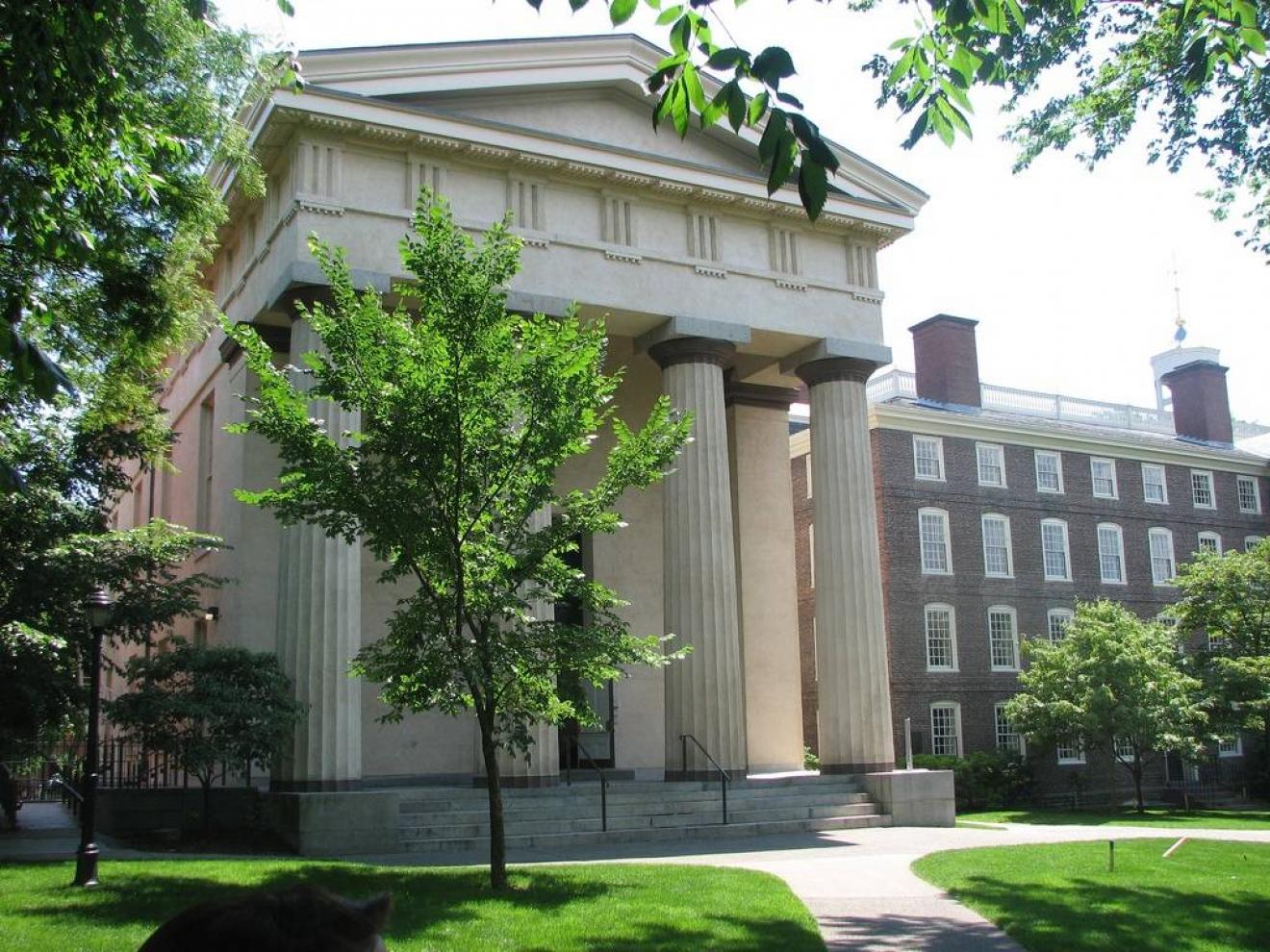

Brown University offers 2 Biostatistics degree programs. It's a large, private not-for-profit, four-year university in a midsize city. In 2024, 25 Biostatistics students graduated with students earning 22 Master's degrees, and 3 Doctoral degrees.

University of California-Davis offers 2 Biostatistics degree programs. It's a very large, public, four-year university in a small suburb. In 2024, 12 Biostatistics students graduated with students earning 6 Master's degrees, and 6 Doctoral degrees.

University of California-San Diego offers 3 Biostatistics degree programs. It's a very large, public, four-year university in a large city. In 2024, 13 Biostatistics students graduated with students earning 10 Master's degrees, 2 Bachelor's degrees, and 1 Doctoral degree.
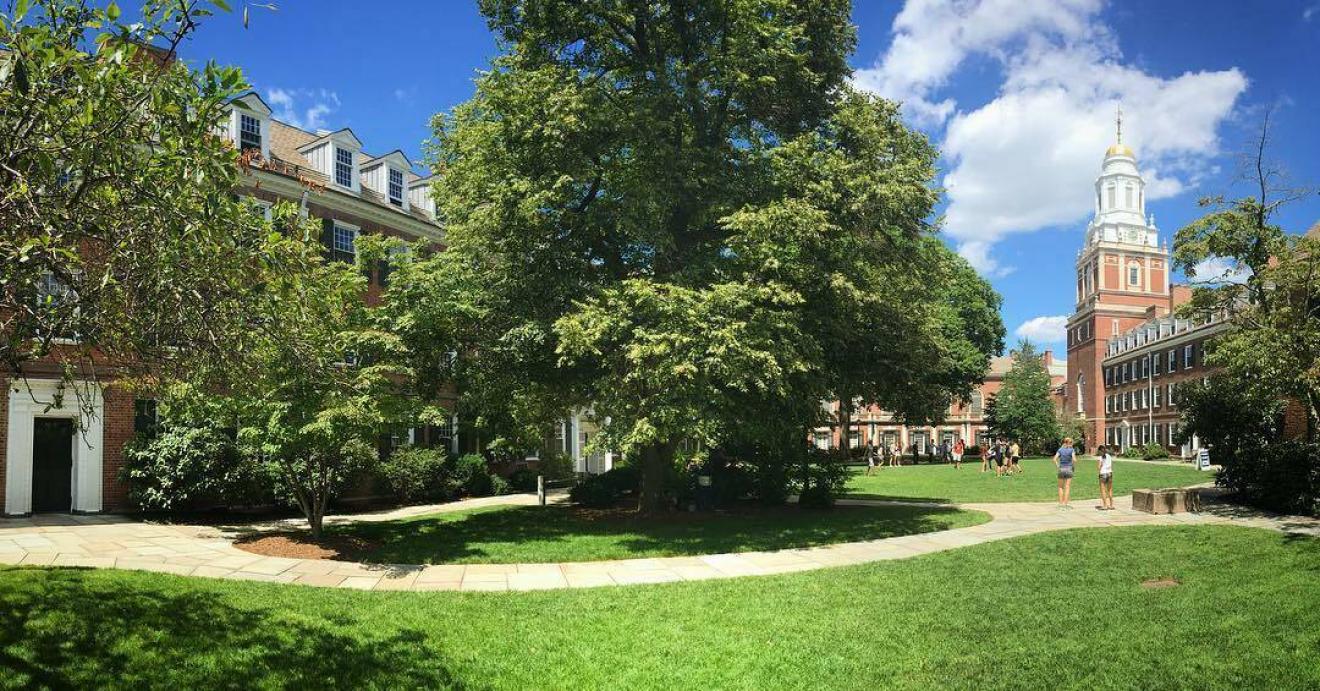

Yale University offers 1 Biostatistics degree programs. It's a large, private not-for-profit, four-year university in a midsize city. In 2024, 27 Biostatistics students graduated with students earning 27 Master's degrees.
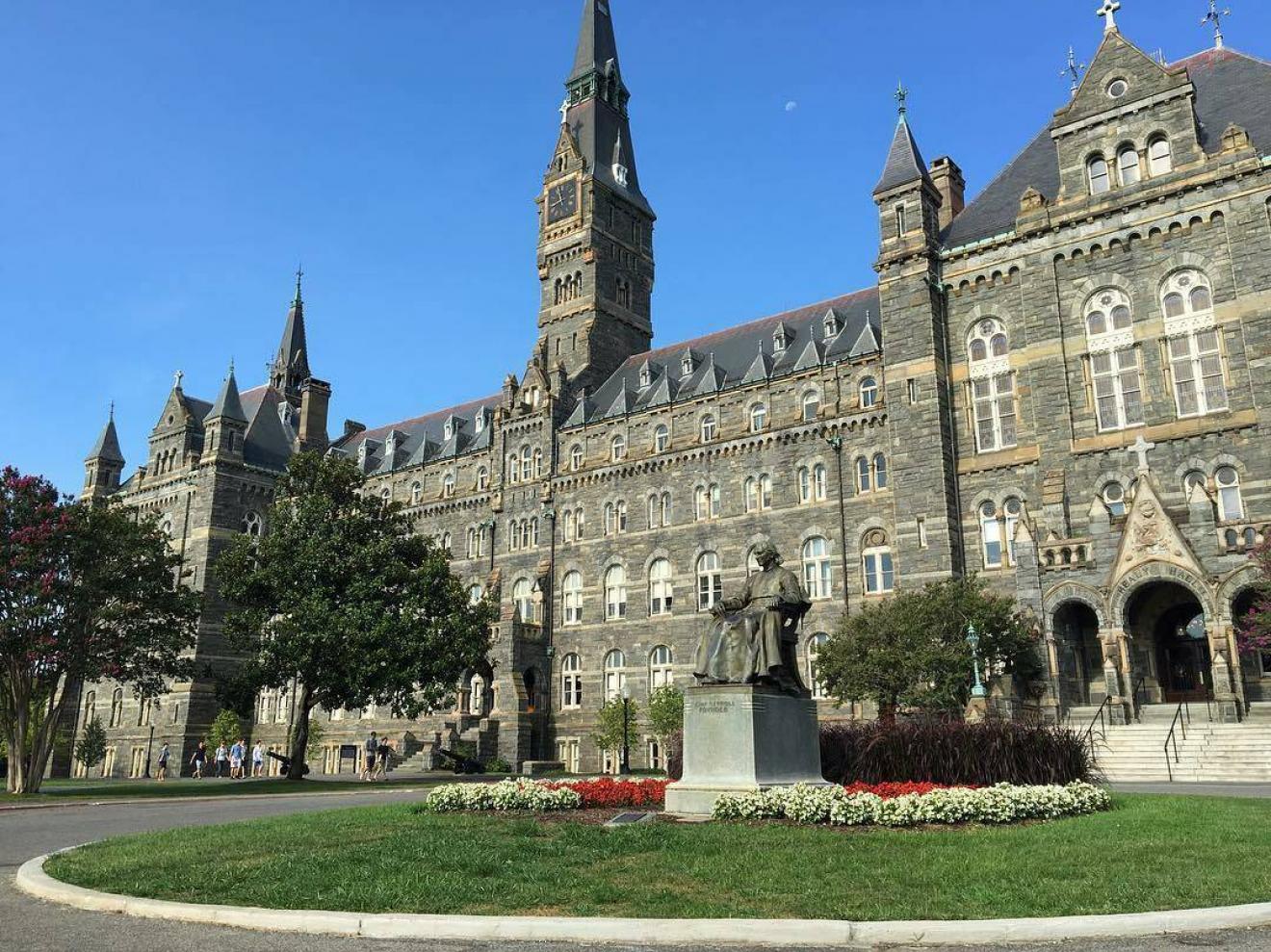

Georgetown University offers 2 Biostatistics degree programs. It's a very large, private not-for-profit, four-year university in a large city. In 2024, 15 Biostatistics students graduated with students earning 9 Master's degrees, and 6 Doctoral degrees.
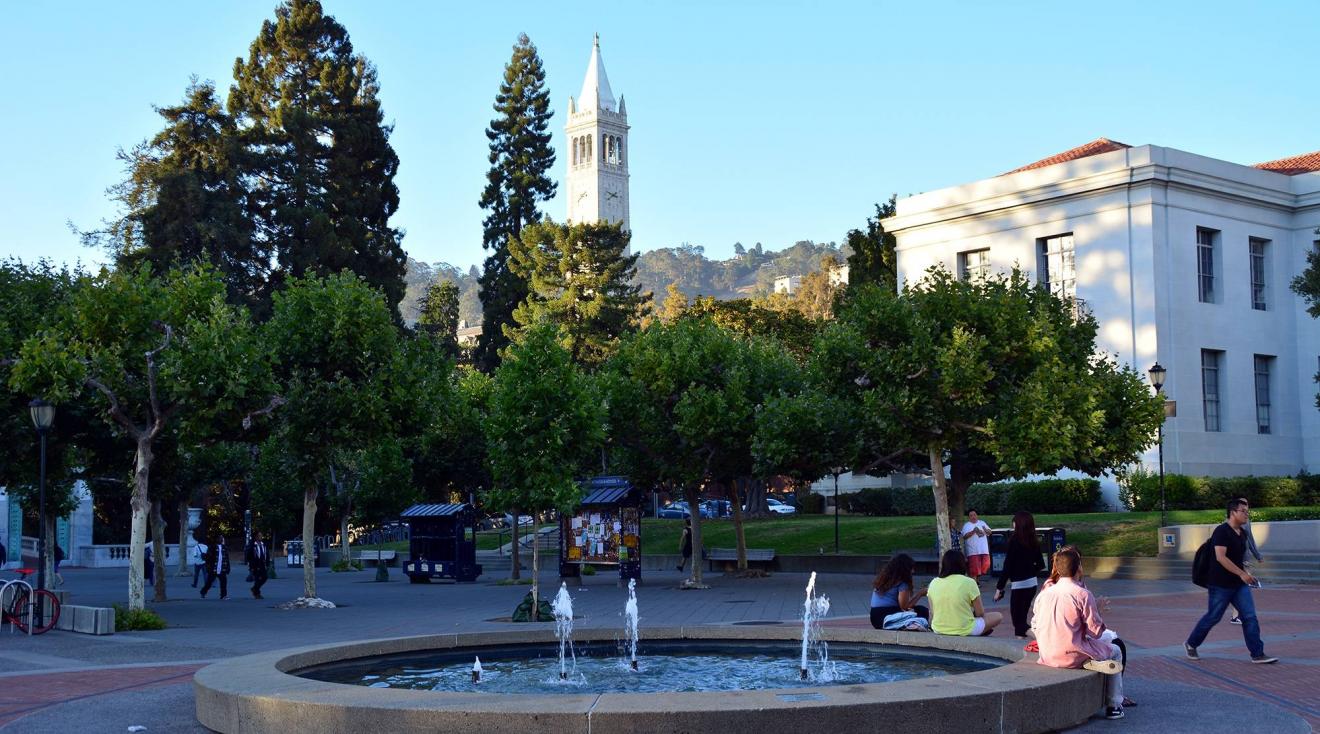

University of California-Berkeley offers 2 Biostatistics degree programs. It's a very large, public, four-year university in a midsize city. In 2024, 22 Biostatistics students graduated with students earning 13 Master's degrees, and 9 Doctoral degrees.
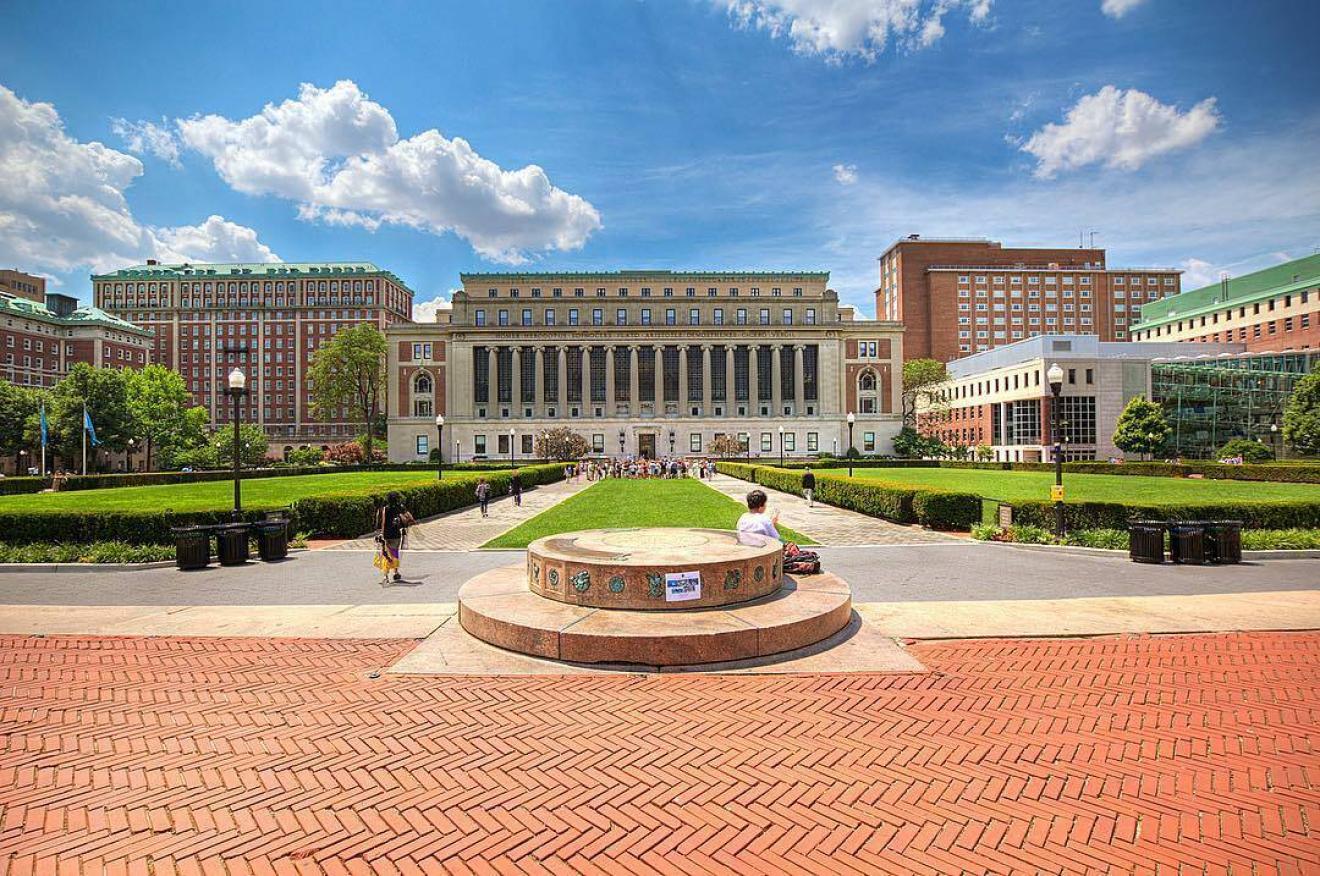

Columbia University in the City of New York offers 3 Biostatistics degree programs. It's a very large, private not-for-profit, four-year university in a large city. In 2024, 163 Biostatistics students graduated with students earning 119 Master's degrees, 38 Certificates, and 6 Doctoral degrees.
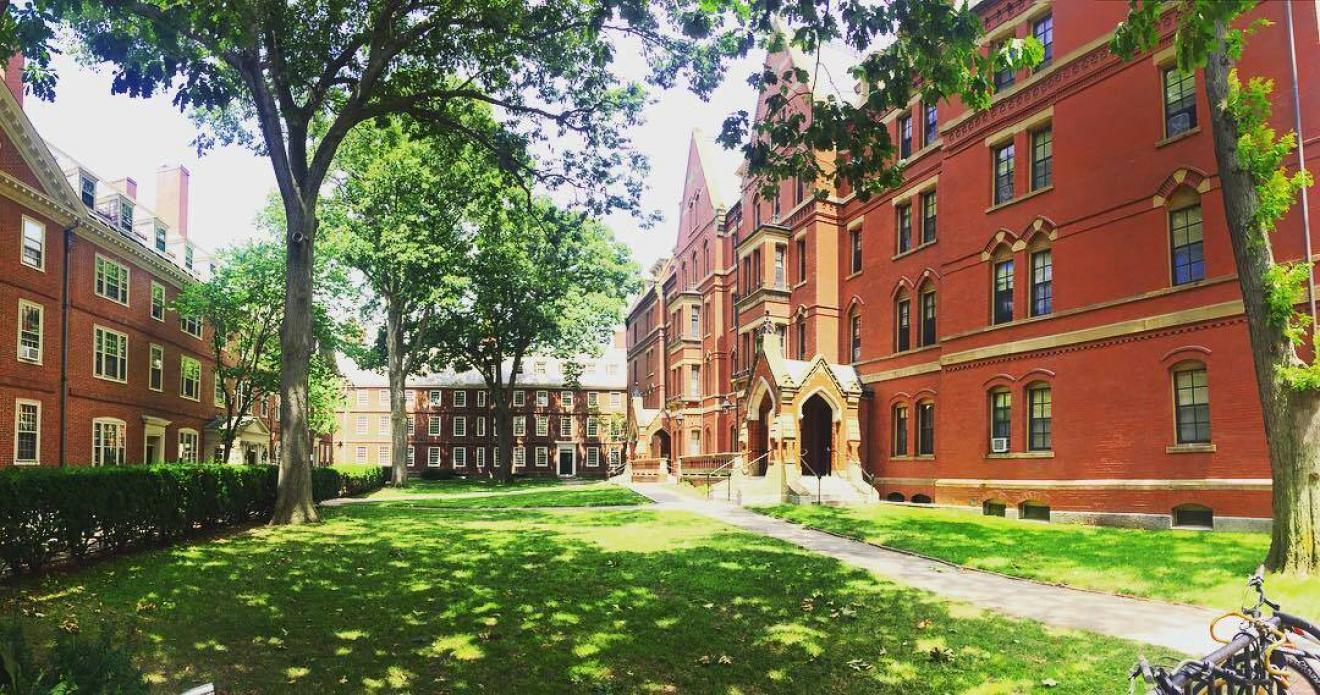

Harvard University offers 2 Biostatistics degree programs. It's a very large, private not-for-profit, four-year university in a midsize city. In 2024, 50 Biostatistics students graduated with students earning 42 Master's degrees, and 8 Doctoral degrees.
Find local colleges with Biostatistics majors in the U.S.
List of all Biostatistics colleges in the U.S.
| School | Average Tuition | Student Teacher Ratio | Enrolled Students | |
|---|---|---|---|---|

|
Duke University Durham, NC | 11 : 1 | 17,499 | |

|
University of Pennsylvania Philadelphia, PA | 20 : 1 | 29,109 | |

|
Brown University Providence, RI | 12 : 1 | 11,956 | |

|
University of California-Davis Davis, CA | 23 : 1 | 40,065 | |

|
University of California-San Diego La Jolla, CA | 29 : 1 | 44,256 | |